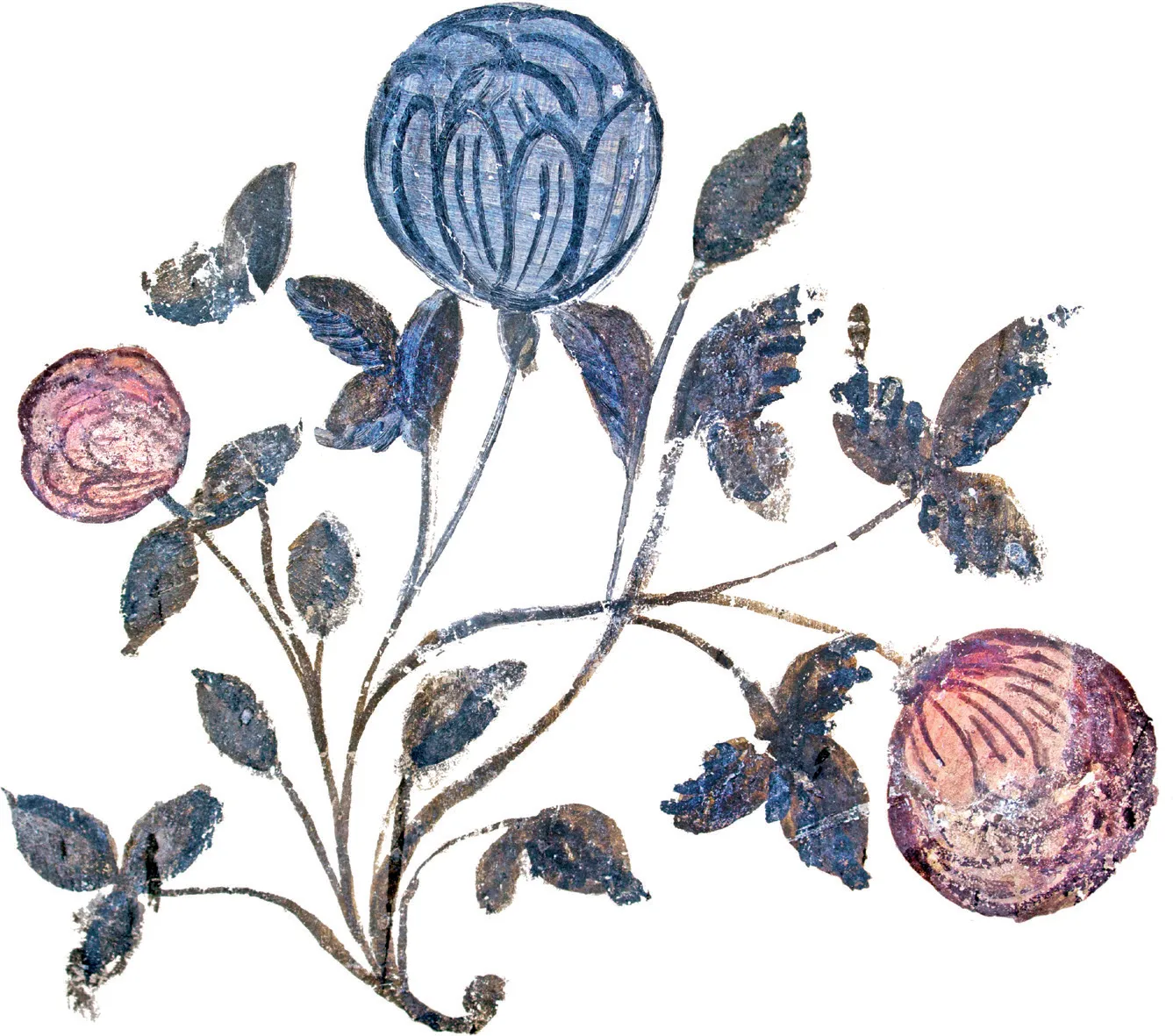
In the first year of his reign, in 1633, Matei Basarab, as historians tell us in the absence of any inscription, founded the most moving and, with its spires, most striking Tămâioară in Oltenia, at the foot of the mountain—indeed, right within the mountain itself—the little church of Arnota Monastery, now consecrated as the Mount Tabor of Romanian Orthodoxy.
Here, in accordance with his wishes, he finds the peace of eternal sleep, alongside those of his father, to the left of the narthex, beneath a superb tombstone specially commissioned by the voivode from the famous Saxon sculptor Nicolai Elias, well-known throughout Europe in his day.
Arnota’s first revival took place under Constantin Brâncoveanu; the second significant one occurred in the nineteenth century, under Barbu Știrbei, from whose time the wall and the right-hand side of the monastery’s cells remain to this day; the third, in the early years of the 21st century, under the care of His Eminence Gherasim of Râmnic, who, with the exception of the small church that remained intact, rebuilt the entire monastery, including the Chapel, the frescoes of which have only just been completed under the archpastoral guidance of Dr Varsanufie, Archbishop of Râmnic, and, naturally, under the watchful eye of the Abbot’s Office. Finally, the fourth, in a sense decisive, revival began at the end of January 2018, under the care and on the initiative of the monastery’s abbess, Mother Stavroforă Ambrozia Rucăreanu, whose tireless efforts led to the securing of the necessary European funding, on the basis of a comprehensive project under the patronage of the renowned restoration architect Aurel Botez, the architect behind many restoration projects of national interest and value, such as the famous Dragomirna Monastery. A major construction site, with dozens of builders, specialist engineers and consultants, has encompassed the entire Arnota Monastery, which is currently surrounded by scaffolding, aimed at stripping the building back to the brickwork and restoring the appearance of the complex, as well as its interiors, in accordance with the current requirements of such a restoration process. Thus, here at at Arnota, beneath the eaves of the Căpățânii Mountains, the unfolding of a historic endeavour to defend, preserve and restore an architectural complex of symbolic value, a process of rectification and continuation of a great tradition which, in the 20th century, especially in the second half, had simply flourished, continuing—albeit on a smaller scale—in the early years of the 21st century to enrich and beautify monastic architecture, particularly in Moldavia, but also in Transylvania and Oltenia, encompassing Muntenia as well, and, of course, the major, historic project which, we are convinced, will be inaugurated this year: the Cathedral of the Salvation of the Nation in Bucharest.
In Arnota, the building site which will bear fruit in the autumn of 2018 is aptly linked to the name of the greatest founder in the realm of Romanian Orthodoxy, Prince Matei Basarab, who is also remembered for establishing a rich scholarly heritage, crowned, I believe, by the Pravila de la Govora, the first major treatise on Romanian law, which is still taught in universities today. Equally impressive at this site in Arnotea is the exemplary, learned and devoted dedication of the Abbess of this most beautiful and moving Tămâioară within the chain of rural Tămâioare in Oltenia, beneath the mountains, just as telling is the observation made by Academician Răzvan Theodorescu, namely that the Tămâioare represent the late and final breath of the Brâncoveanu Renaissance.